Retirement visa age
Most retirement routes start at age 50, but the best route depends on income, insurance, work activity, and how many days you spend in Thailand.
Updated for 2026 practical planning
A serious, plain-English guide to visas, condos, tax, healthcare, pensions, partners, safety, cities, aging care, and what can quietly go wrong.
Before the dream
Rules change, embassies interpret documents differently, and tax outcomes depend on timing and treaties. Use this to ask better questions before paying agents, lawyers, accountants, insurers, or developers.
Most retirement routes start at age 50, but the best route depends on income, insurance, work activity, and how many days you spend in Thailand.
Foreigners can usually own freehold condos within the building foreign quota. Land ownership is a different, riskier world.
Spend 180 days or more in Thailand in a tax year and offshore income remitted to Thailand may matter.
The real risks are often healthcare, cognitive decline, relationship leakage, and poor documentation rather than ordinary food or rent.


Bangkok life
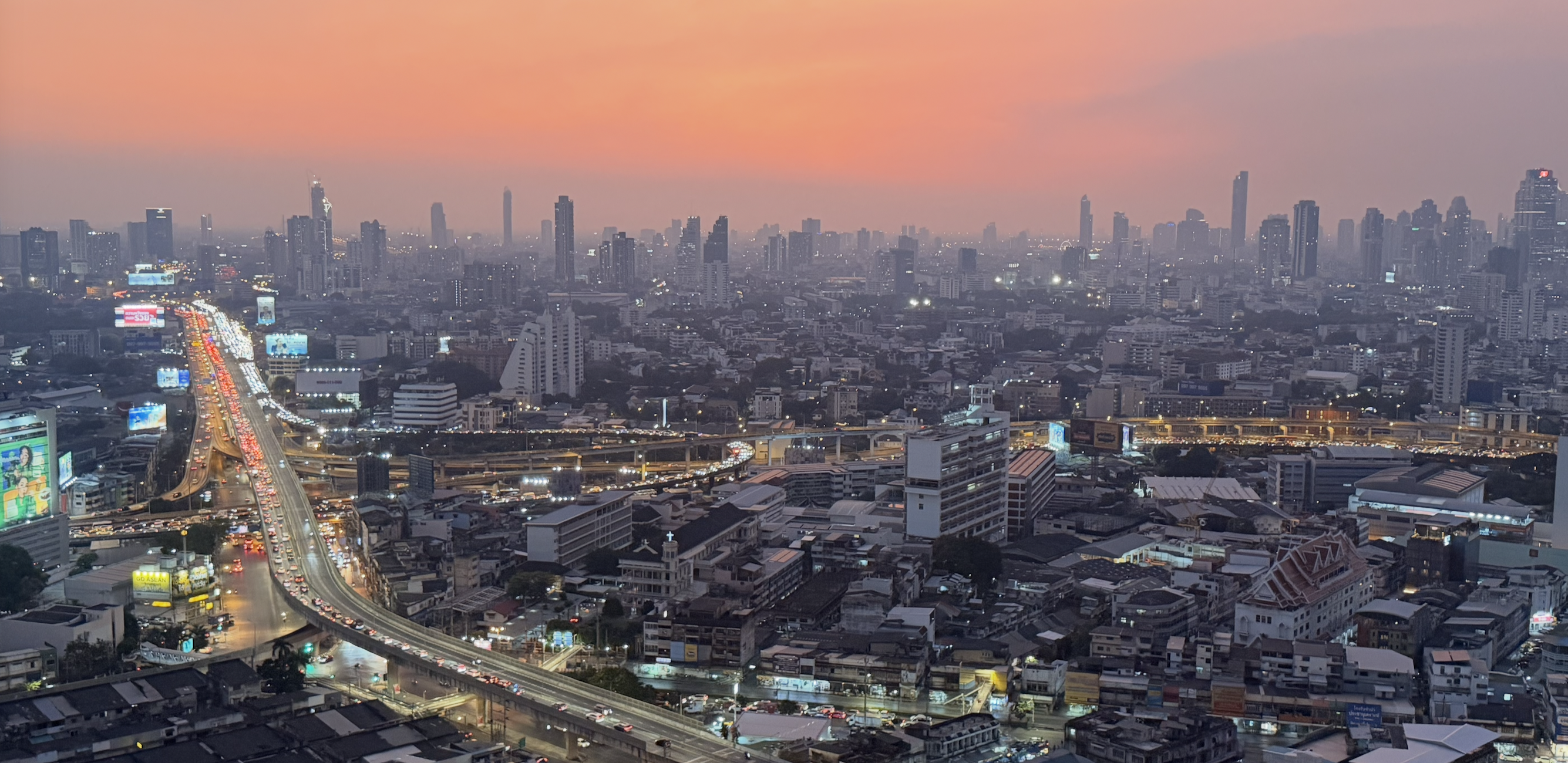
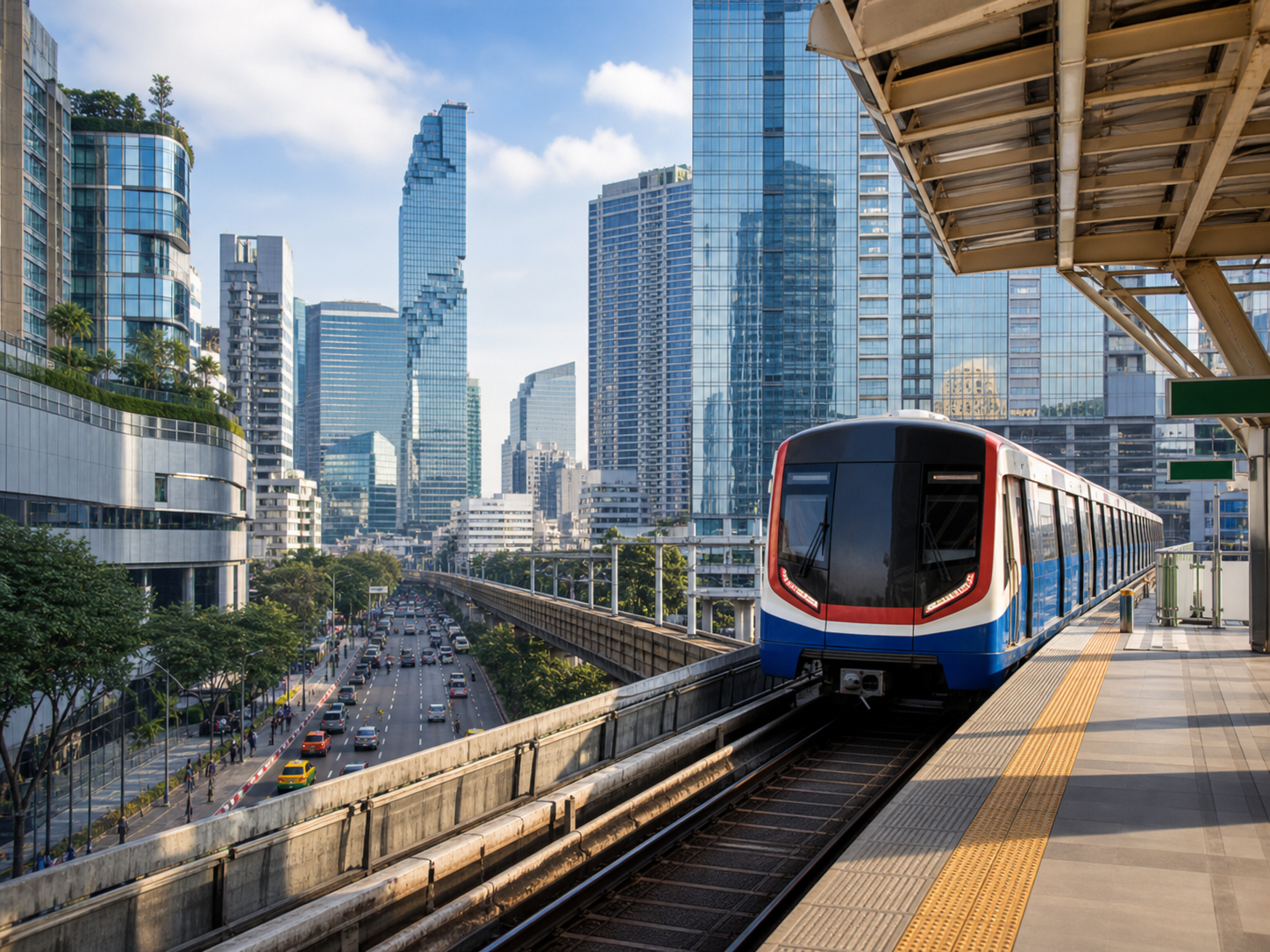
For many retirees, Bangkok works because daily life can be easy: air-conditioned malls, supermarkets, clinics, pharmacies, banks, restaurants, gyms, cinemas, river transport, BTS Skytrain, MRT, Grab, and hospital networks.
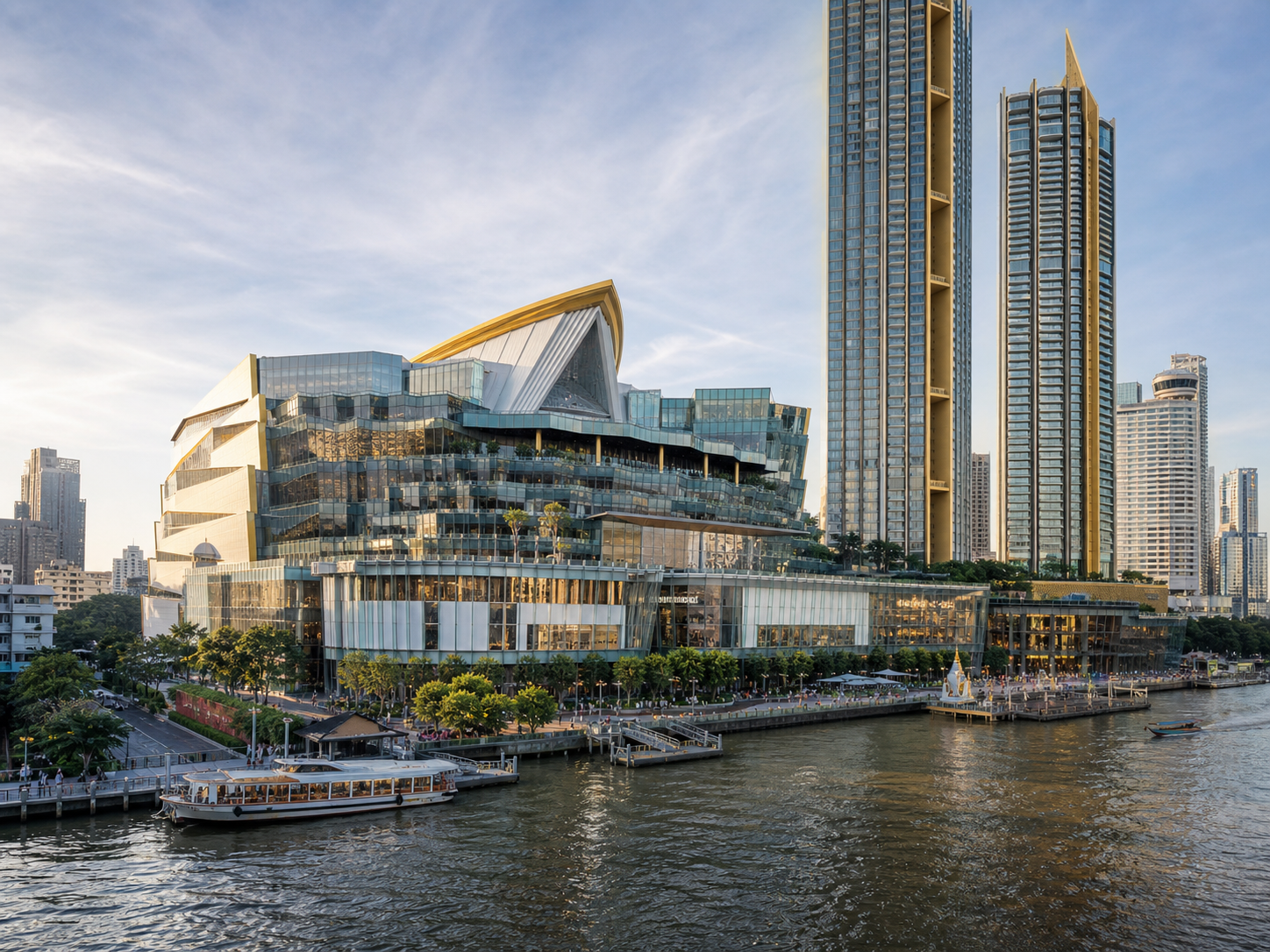
Luxury riverside mall, dining, groceries, river access, and a polished visitor-friendly environment. Good for retirees who want comfort without needing to drive.
CentralWorld, Siam Paragon, Siam Center, and nearby BTS stations form one of Bangkok's strongest convenience zones for shopping, medical appointments, dining, and meetups.
Busy, practical, and good for clothing and everyday purchases. Useful, but less relaxed than the premium malls and not ideal for mobility problems at peak times.
Immigration
The retirement extension is common, but LTR and DTV can be better for people with high passive income, significant assets, or remote work. Property ownership does not create immigration rights.
| Route | Best fit | Typical requirements | Watch-outs |
|---|---|---|---|
| Non-Immigrant O retirement extension | Classic retiree, age 50+ | Usually THB 800,000 in Thai bank, THB 65,000 monthly income, or permitted combination; yearly extension. | Local office practice matters. Retirement permission does not permit employment. |
| Non-Immigrant O-A long stay | Applying from outside Thailand | Age 50+, financial evidence, police/medical checks, health insurance often required. | Embassy rules vary. Confirm with the exact mission before relying on a checklist. |
| LTR wealthy pensioner | Higher-income retirees | BOI criteria include passive income thresholds, insurance or deposit alternatives, and a 10-year framework. | Great when eligible, but not designed for modest pensioners. |
| DTV | Remote workers, freelancers, soft-power or medical stays | 5-year multiple-entry visa, financial evidence around THB 500,000, and purpose documents. | It is not a Thai employment visa. Country-specific embassy evidence can be strict. |
Property
Generally the cleanest foreign ownership route if the building has foreign quota available. Transfer funds correctly from overseas and keep Foreign Exchange Transaction evidence for resale.
Useful for lifestyle, weaker for certainty. A registered lease is commonly capped at 30 years; renewal promises need careful drafting and may not bind successors as expected.
High emotional risk. If the land is not legally yours, treat the money as potentially gone. Avoid nominee company structures and do not confuse relationship trust with title security.
Where to live
Your best place depends on hospitals, climate tolerance, dating/social appetite, airport access, pollution, beach needs, and whether you want Thai immersion or expat convenience.
Money and tax
Thailand uses a calendar tax year. A person spending 180 days or more in Thailand can be tax resident. Since the 2024 interpretation shift, foreign-sourced income earned while Thai tax resident and remitted to Thailand can be taxable, with treaty relief and evidence questions needing professional advice.
Keep offshore capital cleanly documented, separate pre-residency savings from current income where possible, and do not make large remittances before tax advice.
Country targeting
Health, insurance, and aging
Bangkok, Chiang Mai, Phuket, Pattaya, and Hua Hin have strong private care options. Islands and smaller provinces can be beautiful but add transfer time for stroke, ICU, cardiology, and cancer care.
Bumrungrad, Bangkok Hospital, Samitivej, MedPark, BDMS networks, and regional private hospitals can be very good, especially for diagnostics and elective care.
Premiums rise, exclusions matter, and new coverage can be hard. Self-insurance needs a real reserve, not vague confidence.
Domestic help, caregivers, nurses, assisted living, dementia care, and nursing homes can cost far less than Australia, NZ, the UK, Canada, or the US.
Emergency identity and hospital routing matter when living alone. Link your plan to Anonamed and keep digital medical summaries accessible.
Partners and family
Long-term partner without marriage, legal marriage with prenup, fixed monthly support, family support, shared condo living, or separate homes. Thailand does not treat every relationship like a Western common-law marriage, but expectations can still become real.
LGBTQ+ retirees
Thailand's marriage equality law took effect in January 2025, giving same-sex couples access to legal marriage. Social acceptance is high in major cities, but retirees still need clear legal, health, estate, and dating boundaries.

Gay retirees face many of the same risks as straight retirees: age-gap relationships, family-support requests, property funding, business loans, and romance scams. Dating apps and nightlife can be fun, but keep passports, bank cards, phones, and medication secure.
Marriage equality is a major positive, but marriage should still come with independent advice, a will, medical authority documents, and a clear plan for assets owned before marriage.
Realistic profiles
Safety and law
Use BTS/MRT, Grab, taxis, private drivers, and airport transfers. Motorbikes are the big injury risk. If you ride, use a proper license, insurance, helmet, and assume hospital transfer matters.
Cannabis flower is controlled under the 2025 rules and recreational assumptions are dangerous. Other drugs can bring severe prison sentences. Retirees should treat this as a zero-risk area.
Romance pressure, nominee land, fake investments, crypto promises, visa shortcuts, hospital overconfidence, and informal family requests are more common threats than street crime.
Useful links